
Can Inkjets Print on Artcard Paper?
Ruined another expensive sheet of 300gsm paper? Learn exactly why standard inkjets smear on artcard, and discover the best alternative papers that actually work.
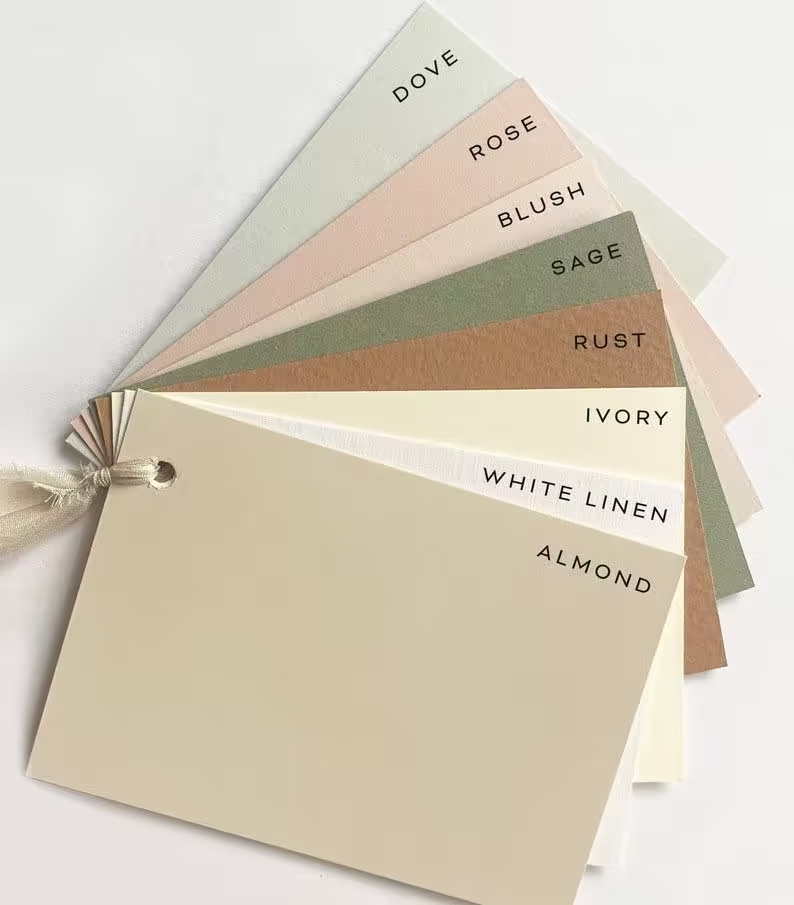
First impressions matter in physical design. Whether you are creating bespoke corporate packaging, architectural prototypes, or luxury wedding stationery, premium Colored Cardstock Paper provides the structural integrity and rich tone your project demands.
Showing all 12 resultsSorted by latest
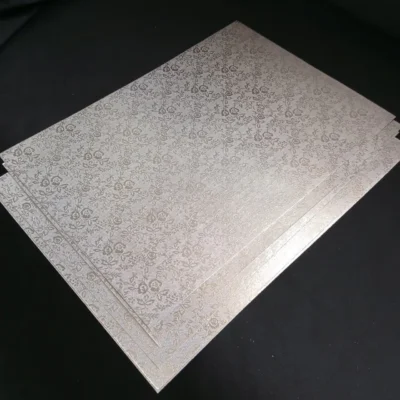
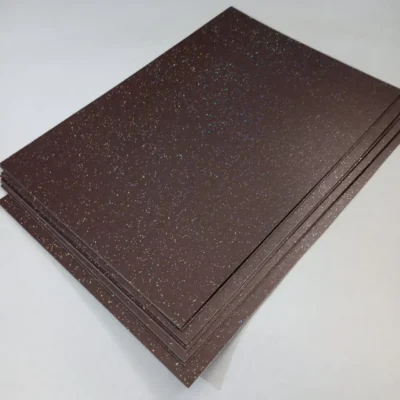
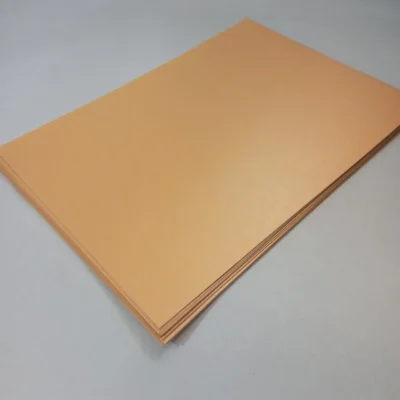
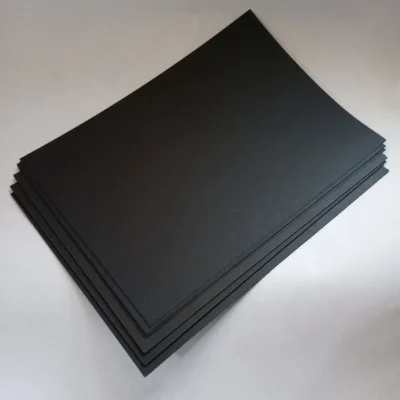
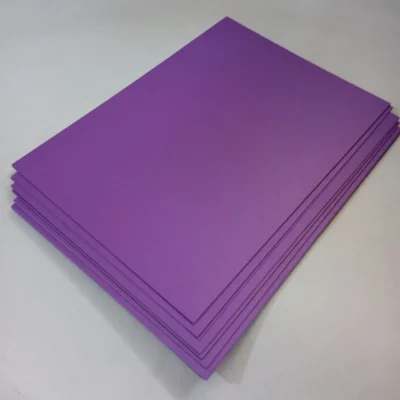
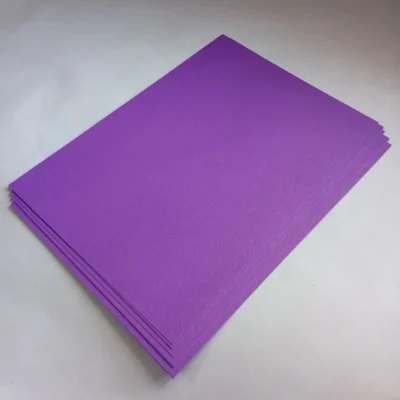
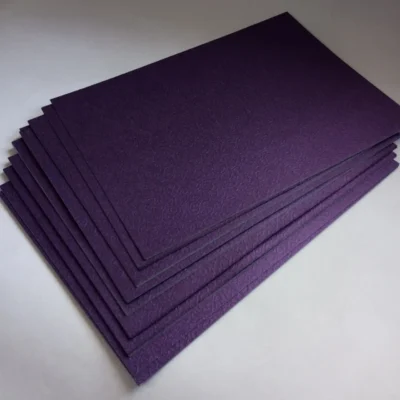
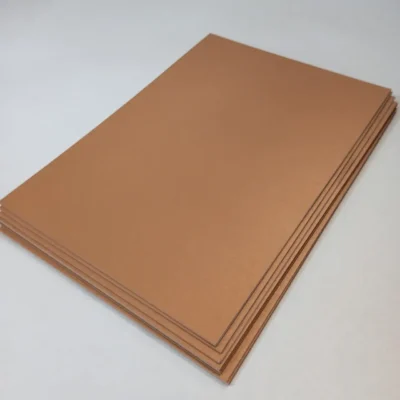
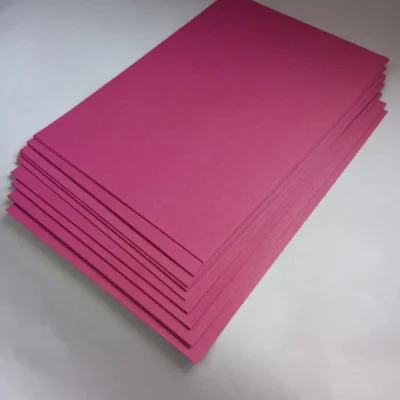
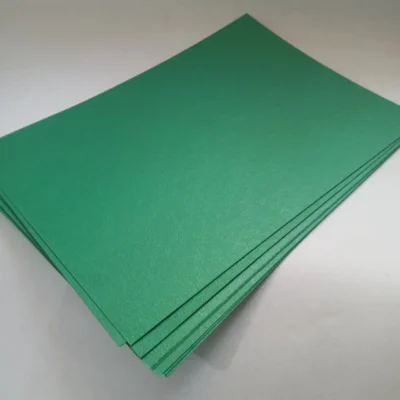
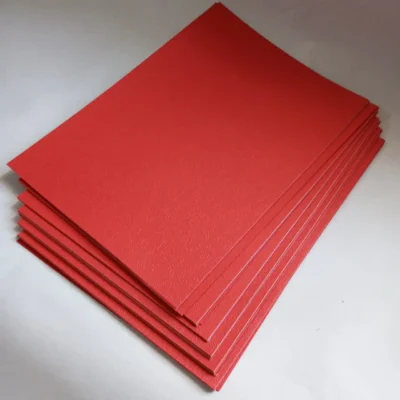
Imagine holding a wedding suite or brand package that instantly communicates premium quality before a single word is read. High-density paper choices define how people perceive your artistic vision, whether you are running a boutique design studio in Westlands or preparing bespoke corporate folders in Kilimani. Colored Cardstock Paper gives artists, stationers, and printmakers the exact structural integrity needed to make every physical piece leave a lasting impression.
Surely, flat prints on basic copy sheets no longer cut it when clients expect depth, vibrant tone, and tactile weight. Solid-core colored card stock lifts everyday graphics into physical keepsakes that people hold onto, display, and talk about long after an event ends.
Honestly, touch is the first sense that registers when someone receives a heartfelt handwritten note or bespoke invite. When your stock feels substantial in the hand, every carefully curated detail gains weight, turning standard stationery into memorable experiences. Lakini finding consistent, rich colors that do not show white core edges when cut or folded requires choosing paper engineered specifically for creative work.
Nothing ruins a clean die-cut faster than cheap paper that frays at the margins. Premium colored cardstock Nairobi creatives rely on holds crisp edges, accepts crisp foils, and maintains structural poise under heavy ink or scoring.
Selecting paper density depends entirely on the structural demands of your end product. Lightweight 180GSM stock works beautifully for delicate origami, intricate paper flora, and layered decorative elements where flexibility matters most. It feeds through standard home desktop printers without effort while offering far more vibrant hues than everyday office paper.
Balanced 250gsm colored cardstock hits the perfect sweet spot for structural firmness and wide printer compatibility. Heavy enough to stand upright as display cards or table numbers, it remains flexible enough to pass through manual feed trays smoothly. Creative teams across Nairobi consider this density their daily workhorse for custom greeting cards, swing tags, and menu backings.
Heavyweight 300GSM stock delivers maximum rigidity for high-end luxury packaging, architectural models, and premium presentation covers. It offers an unmistakable feel of substance that immediately signals quality for a major brand milestone or executive invitation suite.
Matte finishes absorb light evenly, rendering deeply saturated shades with zero distracting reflections. Smooth matte cardstock provides an ideal surface for clean typography, crisp line art, and modern minimalist layouts.
Gloss coatings add a reflective sheen that makes vibrant hues pop with high-intensity visual energy. Perfect for bold retail tags and eye-catching promo pieces, glossy surfaces create a polished appearance that draws direct sunlight and indoor studio lighting.
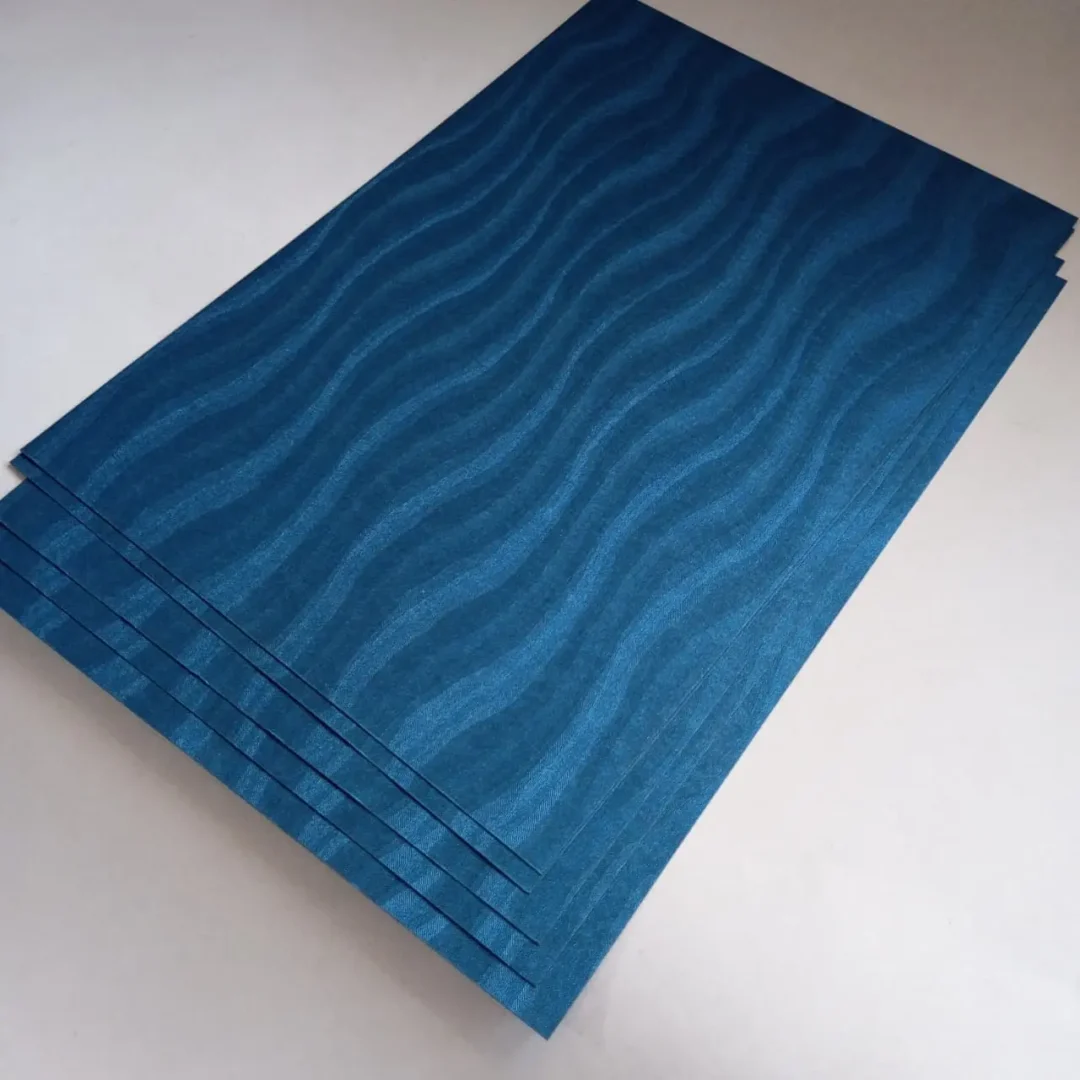
Linen and felt textures introduce an organic tactile weave to your print projects. Touch-sensitive fibers catch ambient light in subtle ways, adding an elevated craft aesthetic to artisanal stationer collections and wedding suites.
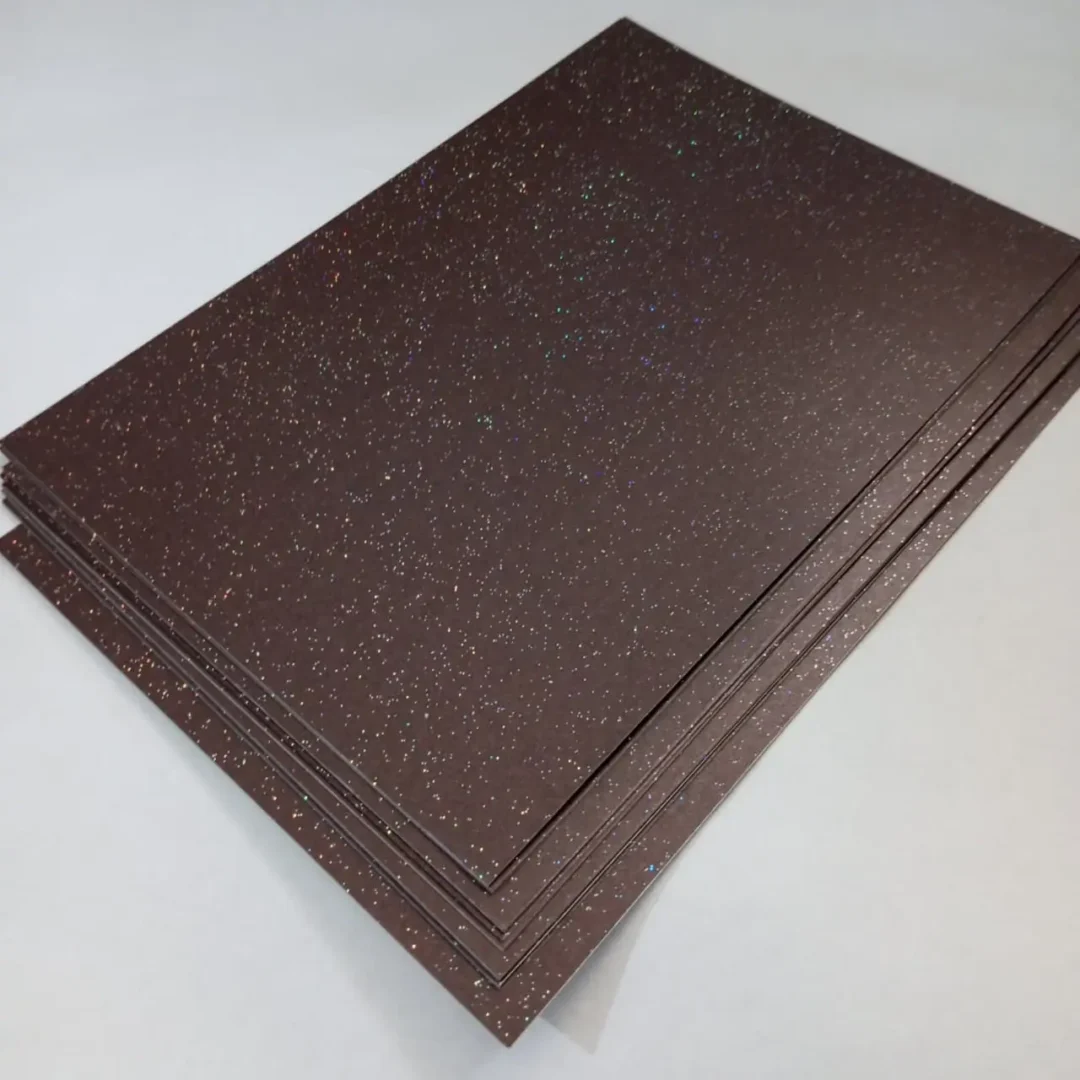
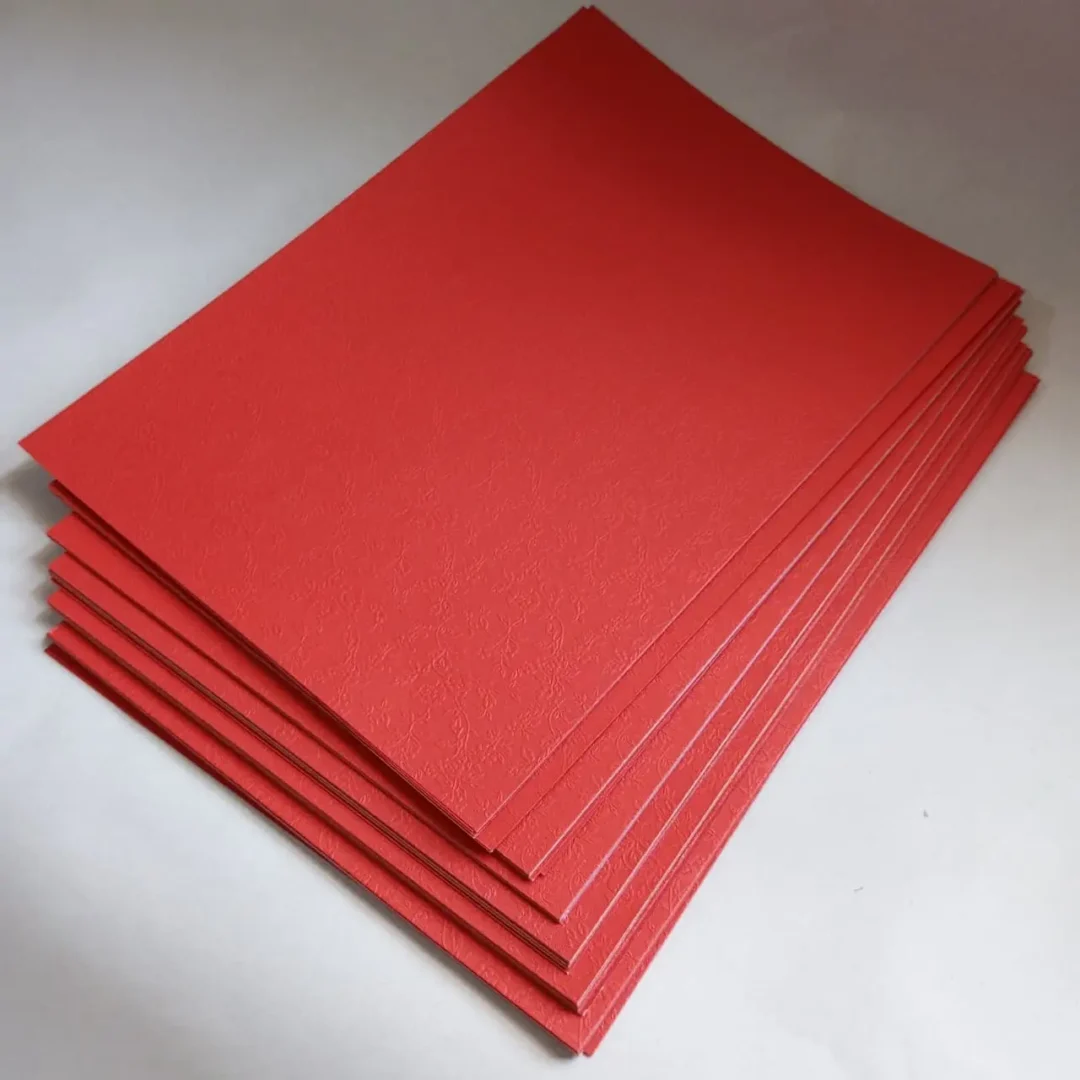
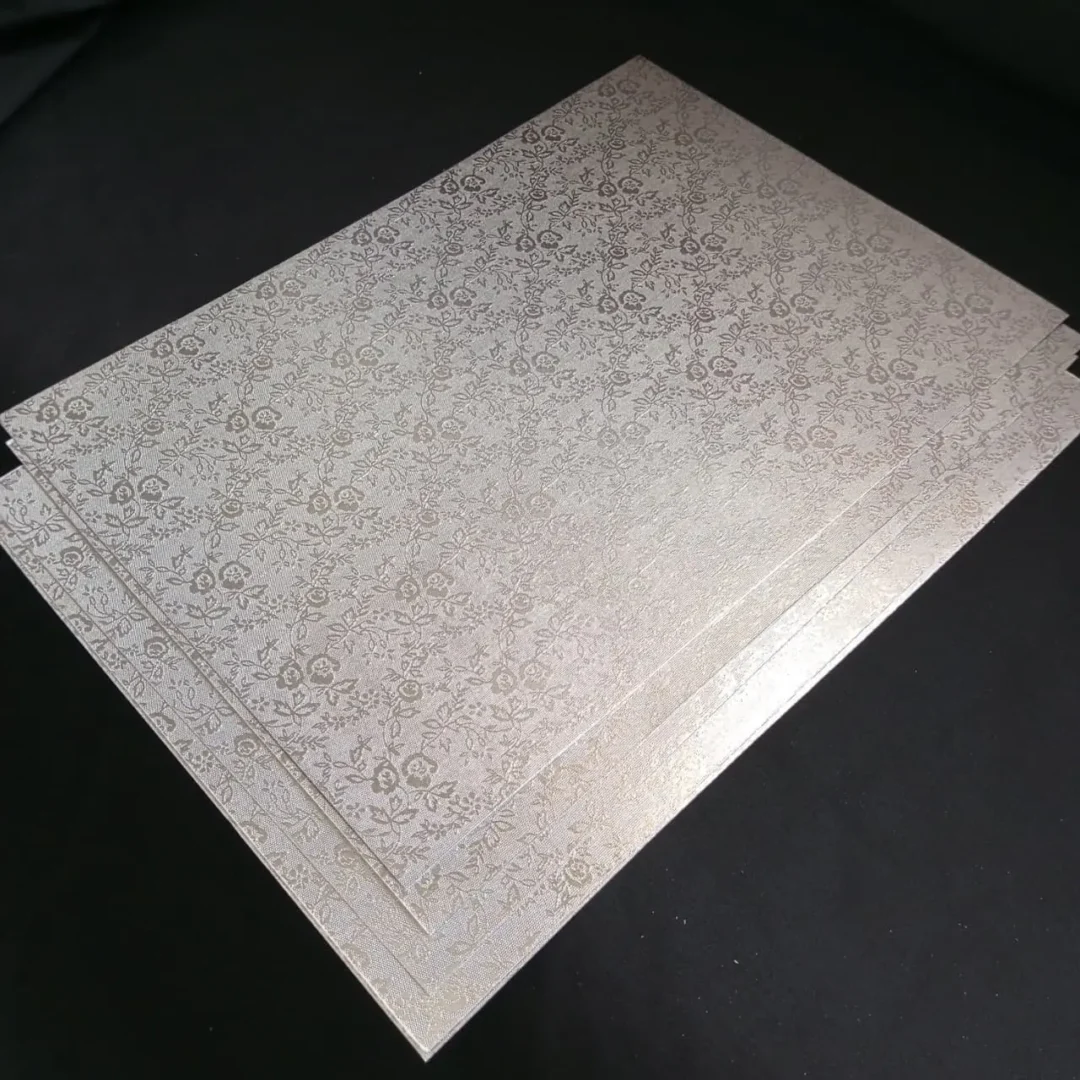
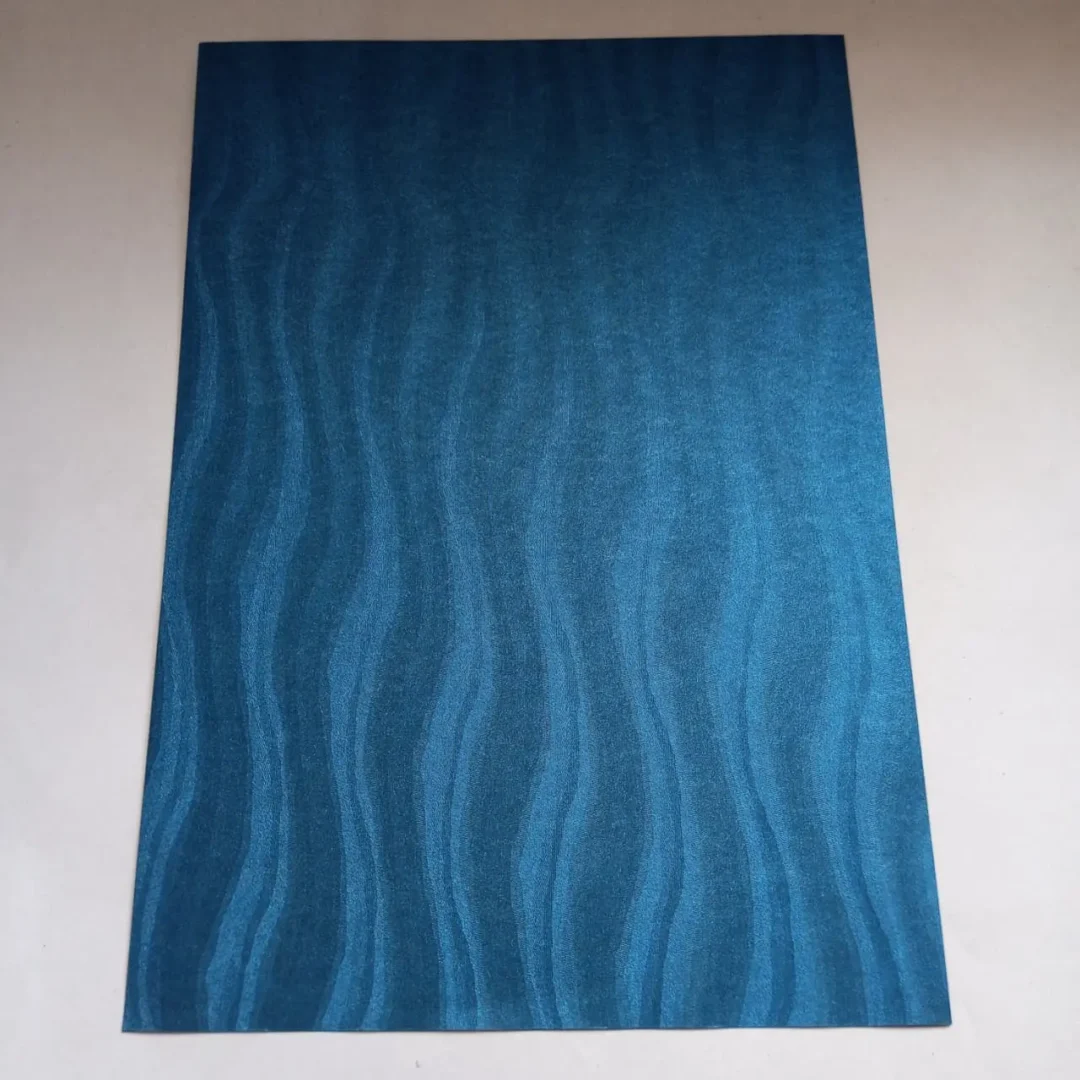
Running heavy stock through home or office equipment requires setting up your hardware for success. Always utilize the manual rear feed slot rather than the bottom cassette to give thick paper a straight, unbent path through the rollers. Adjust your driver settings to heavy cardstock or matte photo paper to slow down the feeding speed and raise thermal fusing temperatures for ink setting.
Inkjet machines allow rich liquid pigments to absorb deep into un-coated matte fibers for deep saturation. Laser printers apply heat-fused toner smoothly across solid surfaces, though testing paper samples ensures toner adheres cleanly across deep physical textures.
| GSM Options | Available Finishes | Optimal Applications |
|---|---|---|
| 180GSM, 250GSM, 300GSM | Smooth Matte, Linen, Gloss | Architectural models, presentation folders, certificates, large prints |
| 250GSM, 300GSM | Matte, Felt Textured, Linen | Wedding invitations, event menus, greeting cards, program covers |
| 250GSM, 300GSM | Matte, Gloss, Solid Core | Product swing tags, brand thank-you notes, place cards, swatches |
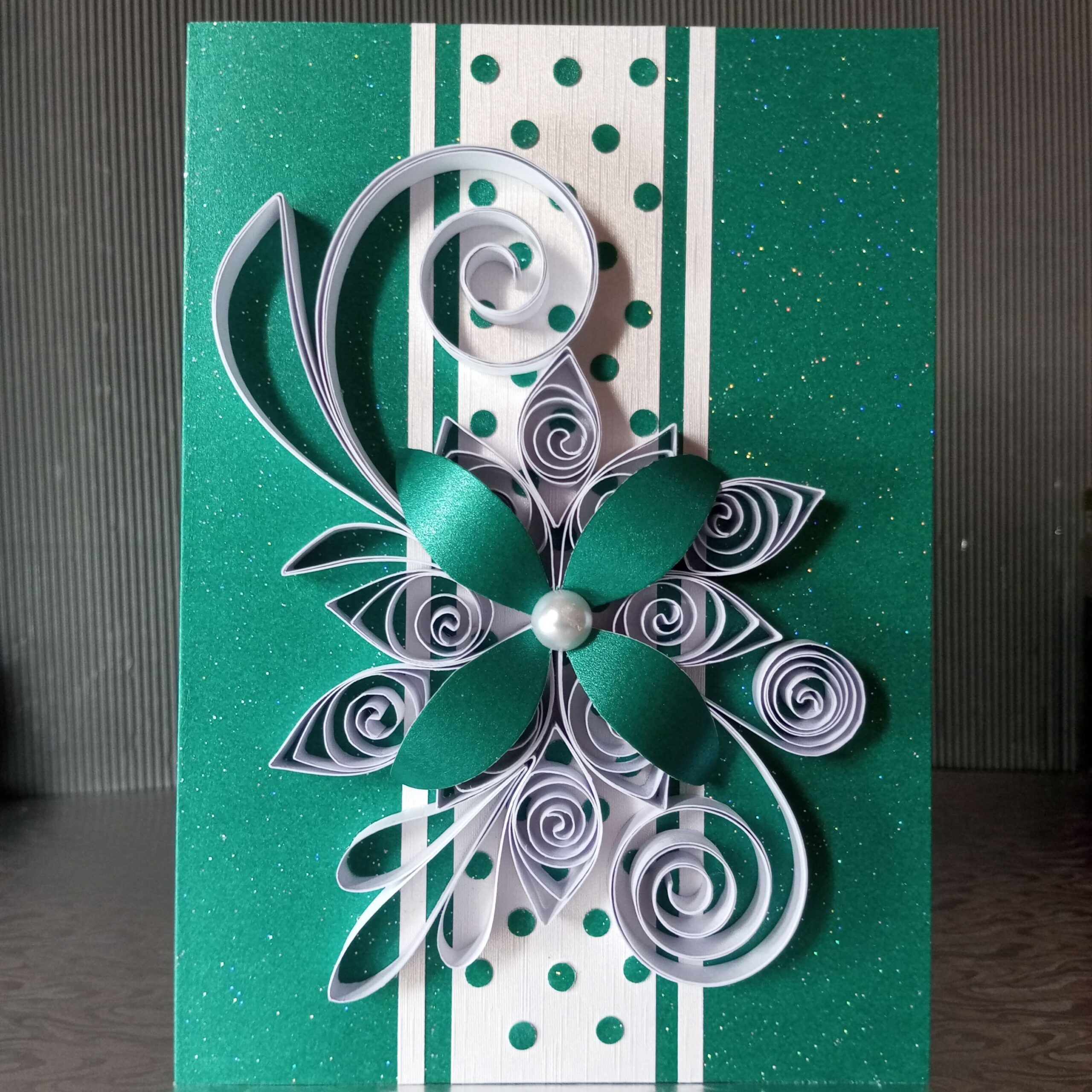


Clean cuts define professional papercraft. Fresh craft blades backed by a self-healing mat provide complete control over complex shapes and internal cutouts. Keep your blade at a low angle against a heavy steel ruler to prevent slipping or tearing fibrous stock. Rotary cutters excel at slicing multiple sheets in perfectly straight lines without dragging paper edges. Upgrading to a sharp rotary tool prevents soft paper corner corners from crumpling under heavy downward cutting pressure.
Nairobi climate conditions can introduce ambient moisture that warps exposed paper stacks over time. Store unsealed cardstock flat inside recloseable plastic sleeves away from direct floor surfaces or damp exterior walls. Keeping sheets stored under light, distributed weight prevents natural curling caused by changing humidity levels. Direct sunlight slowly fades vibrant pigments over extended storage periods. Keep stock inside closed cabinets or opaque archive boxes to preserve vivid factory saturation for your next print run.
Folding heavyweight stock freehand often snaps stiff surface paper fibers, leaving jagged, unprofessional creases along the spine. Always score paper along your desired fold line using a bone folder and metal straightedge before making the bend. Scoring compresses inner fibers, allowing the sheet to fold smoothly without cracking printed surfaces or exposing raw edges. Align your score line parallel to the natural grain of the paper whenever possible. Working with the grain reduces physical resistance, producing a flat, razor-sharp edge suitable for commercial-grade card production.
Ruined another expensive sheet of 300gsm paper? Learn exactly why standard inkjets smear on artcard, and discover the best alternative papers that actually work.
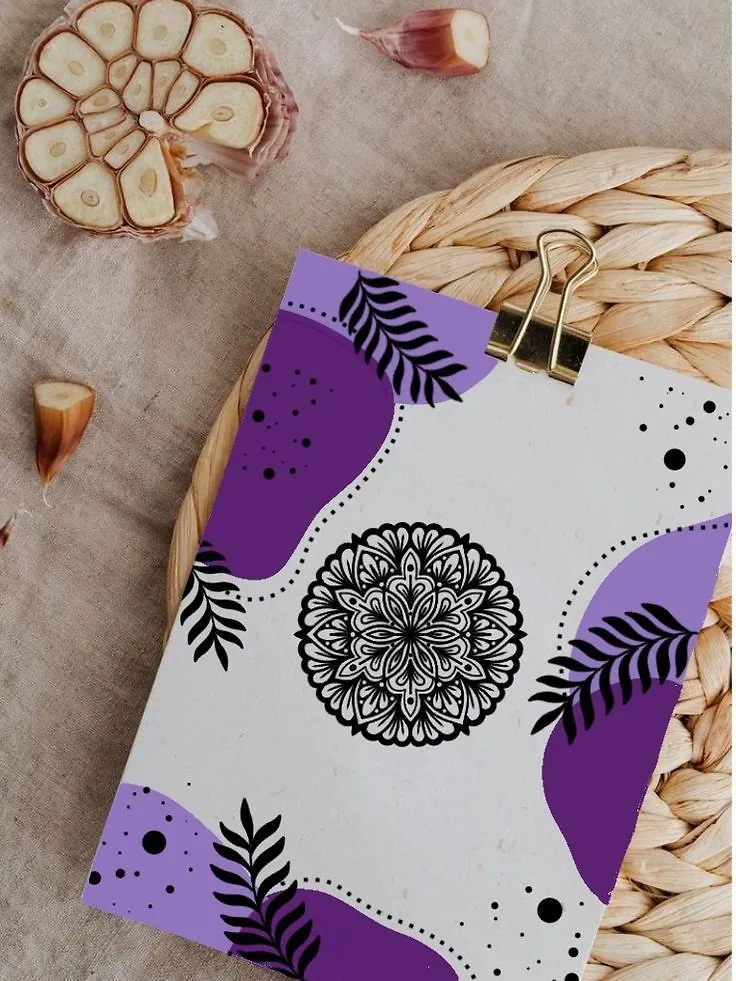
Exhausted after a long week? Discover simple, relaxing crafts for stress relief that require zero artistic talent to help you quietly reclaim your peace.

Exhausted after your 9-to-5? Stop doomscrolling. Discover 15 relaxing, creative hobbies to start after work that actually help you reclaim your evening.
For formal invitations, 250gsm to 300gsm stock provides the desired balance of weight, tactile richness, and structural stability. A 250gsm colored cardstock sheet feels substantial while remaining flexible enough for home printer feed trays. Stepping up to 300gsm creates a rigid, luxury card feel best suited for professional offset printing, letterpress work, or hot foil stamping.
Most modern desktop printers handle 250gsm stock when utilizing the rear manual feed tray. Straight paper paths prevent thick sheets from curling or jamming around tight internal rollers. Adjust your print settings to heavy stock or thick paper mode to ensure proper ink absorption and complete laser toner heat-fusing.
Matte cardstock has a non-reflective, soft finish that absorbs light, making it easy to read fine text and detail. Gloss cardstock features a shiny protective coating that enhances color intensity and reflects light. Textured cardstock incorporates tactile surface patterns like linen or felt, adding physical depth ideal for artisanal stationery.
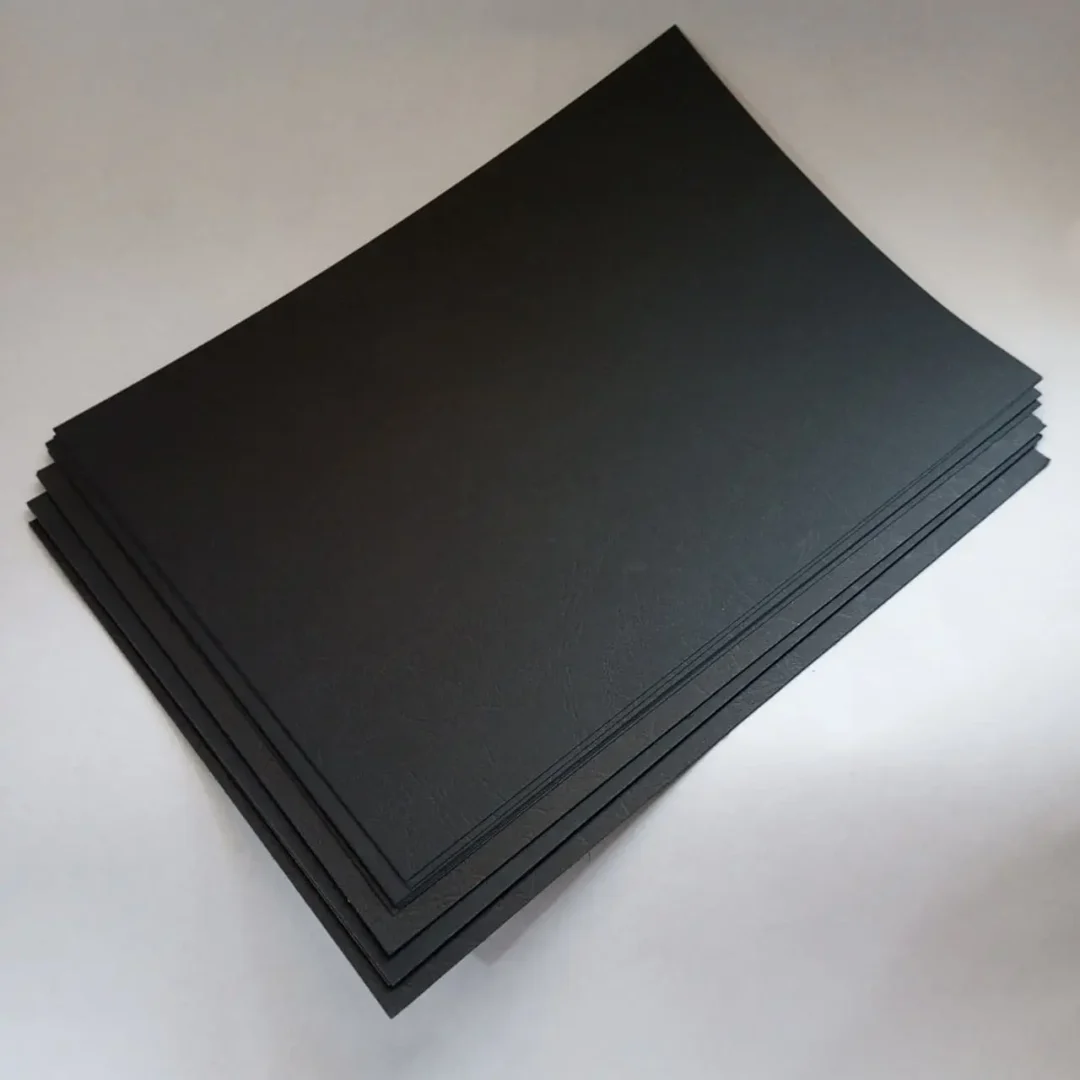
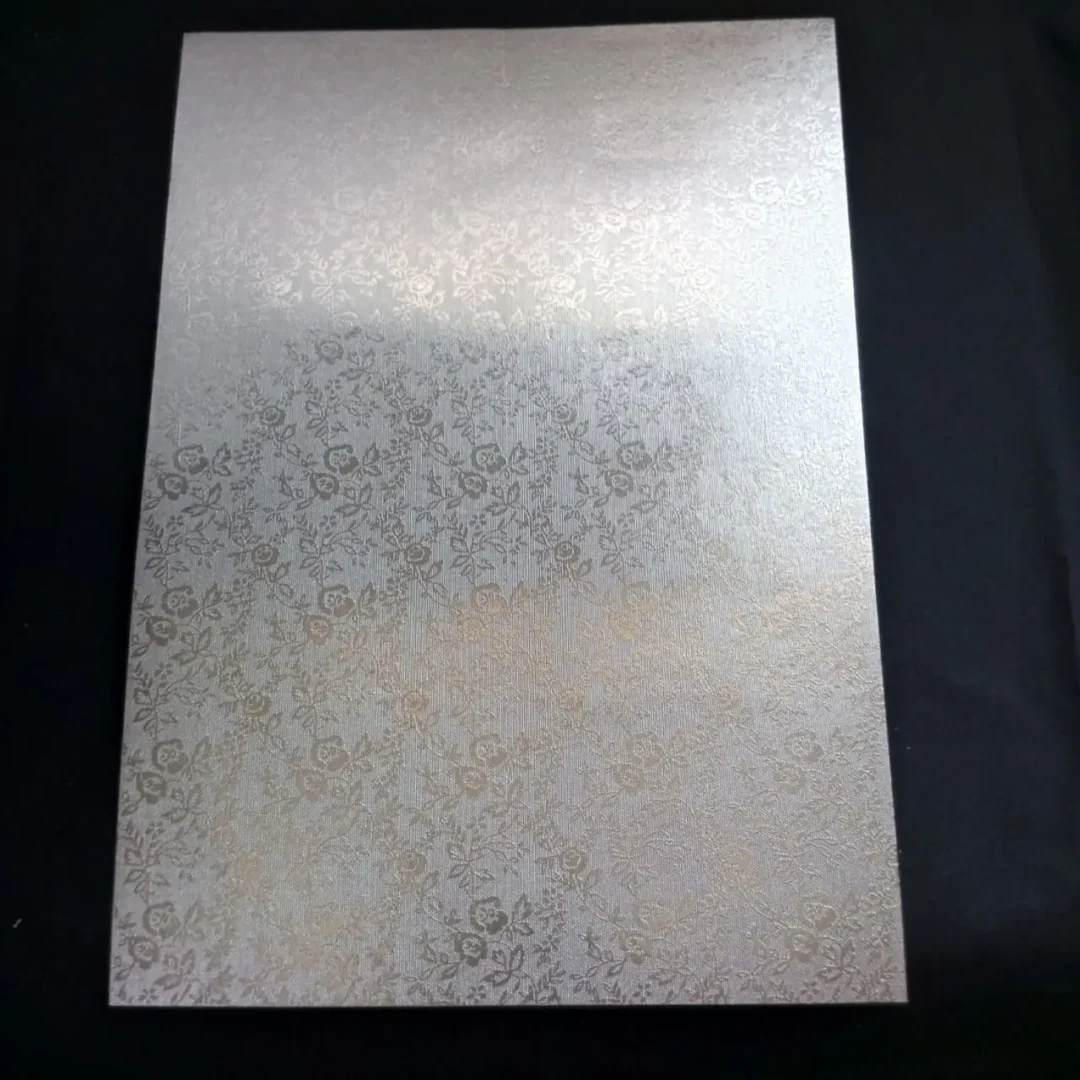
Select your sheet size based on the final scale of your finished design. Standard A4 sheets suit architectural models, custom folders, and large artwork. Medium A5 sizes work best for event invitations, greeting cards, and program covers. Compact A6 cards are ideal for product swing tags, business thank-you cards, and compact signage.
Paper density, dye process quality, surface texture, and sheet origin influence the final colored cardstock price kenya artists encounter. Solid-core dyed paper that maintains rich color through cut edges costs slightly more than surface-printed paper. Bulk pack sizes and standardized dimensions like A4 offer higher value per sheet for high-volume studio runs.
Creasing thick stock without cracking requires using a bone folder against a steel ruler along your fold line before bending. Scoring presses paper fibers downward to create a smooth hinge mechanism along the crease. Folding parallel to the natural paper grain further reduces surface resistance for perfectly sharp, clean edges.
Our premium colored card stock is solid-dyed through the paper matrix during manufacturing rather than surface-printed over white stock. Cutting, tearing, die-cutting, or scoring sheets reveals identical rich color all the way through to the center core. Solid color saturation ensures cleanly trimmed edges without distracting white paper margins.