You are standing over your desk, staring at a complete disaster.
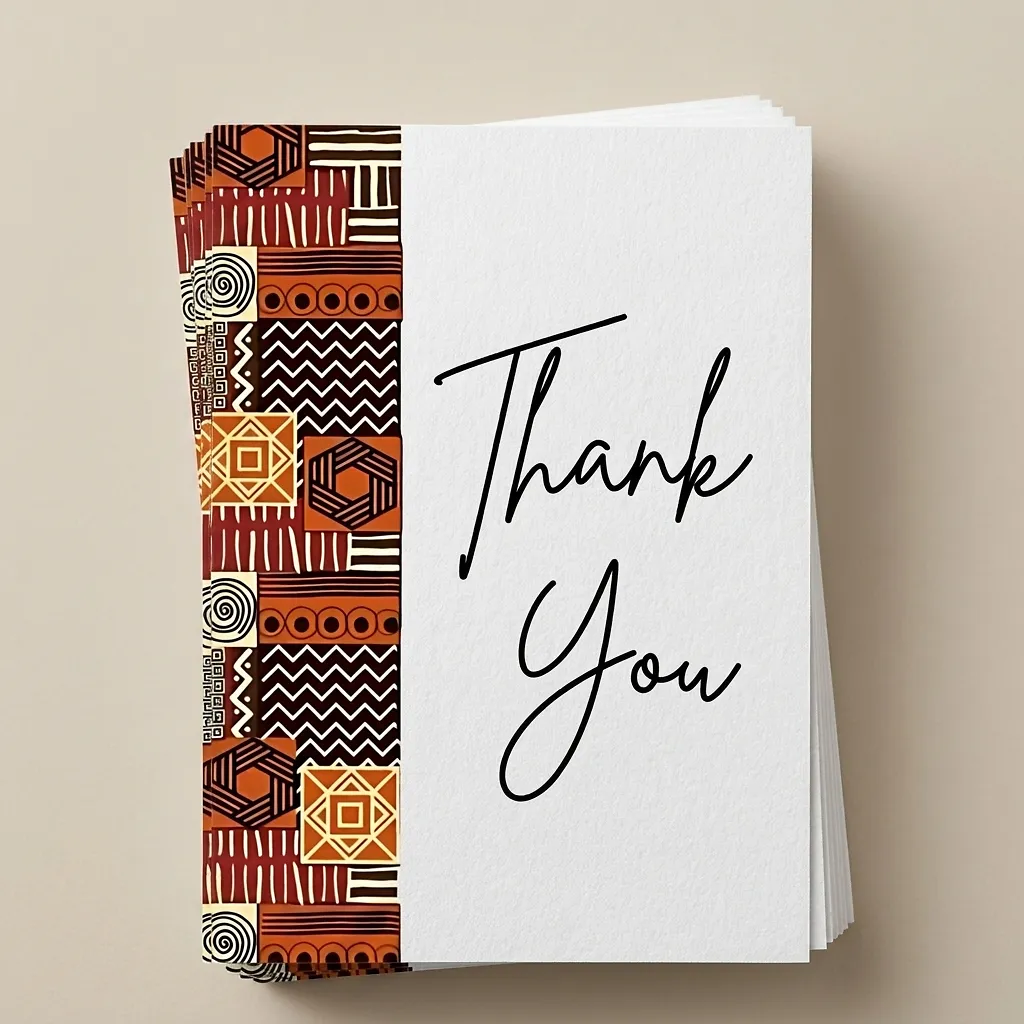
You just designed a stunning set of custom greeting cards. The layout is perfect. You loaded a pristine, heavy sheet of 300gsm artcard paper into your home printer, hit the print button, and held your breath.
First came the terrifying, mechanical groaning noise as the machine struggled to swallow the paper. Then, after what felt like an eternity, the printer aggressively spat the card out. You reached down to admire your work, and your thumb lightly brushed the edge of the text. Instantly, the black ink smeared straight across the page. The beautiful, crisp design you spent hours working on now looks muddy, damp, and completely ruined. You have ink on your hands, a jammed printer tray, and a massive headache.
If you are a DIY crafter, an artist, or a small business owner making custom stationery in Nairobi, you have likely Googled this exact question in a state of panic: can inkjets print on artcard paper?
Let me save you hours of frustration, wasted ink, and ruined materials. The short, honest answer is no. Standard home inkjet printers and commercially coated artcard are mortal enemies. Trying to force them to work together is like trying to paint watercolors onto a sheet of glass.
There is a lot of bad advice online telling you to just “change your printer settings,” but that is beating around the bush. If you are tired of fighting your own equipment, it is time to face the mechanical reality of your machine. Here is exactly why artcard is failing you, and more importantly, the beautiful alternative papers you should be using instead.
Can Inkjets Print on Artcard Paper?
Why does my inkjet smear on coated paper
To understand why your print looks like a muddy puddle, we have to talk about what is actually happening on the surface of the paper.
Standard artcard, especially the commercial-grade stock used for business cards and premium packaging, has a sleek, sealed surface. It feels incredibly smooth and luxurious under your fingers. That coating is specifically formulated for commercial offset printing presses or dry toner laser machines.
Your home inkjet printer, however, operates entirely differently. It shoots microscopic drops of water-based liquid ink onto the page. When you run standard copy paper through an inkjet, the paper fibers are highly porous. They act like a sponge, instantly absorbing the liquid.
When you shoot liquid ink onto a sealed, coated piece of artcard, there is nowhere for the moisture to go. The paper physically rejects it. The ink just sits on top, pooling together. The colors bleed, creating a dull finish instead of the vibrant tones you saw on your screen. And because the ink cannot absorb into the paper, it will smear when you touch it.
Why 300gsm is Breaking Your Printer
Let’s address the second part of your late-night disaster: the terrifying grinding noise your printer made.
Most standard home printers are built to handle standard 80gsm copy paper. They operate using a curved paper path. The machine pulls the paper from a top feeder or a bottom cassette, forces it to bend in a semi-circle around a plastic roller, and spits it out the front.
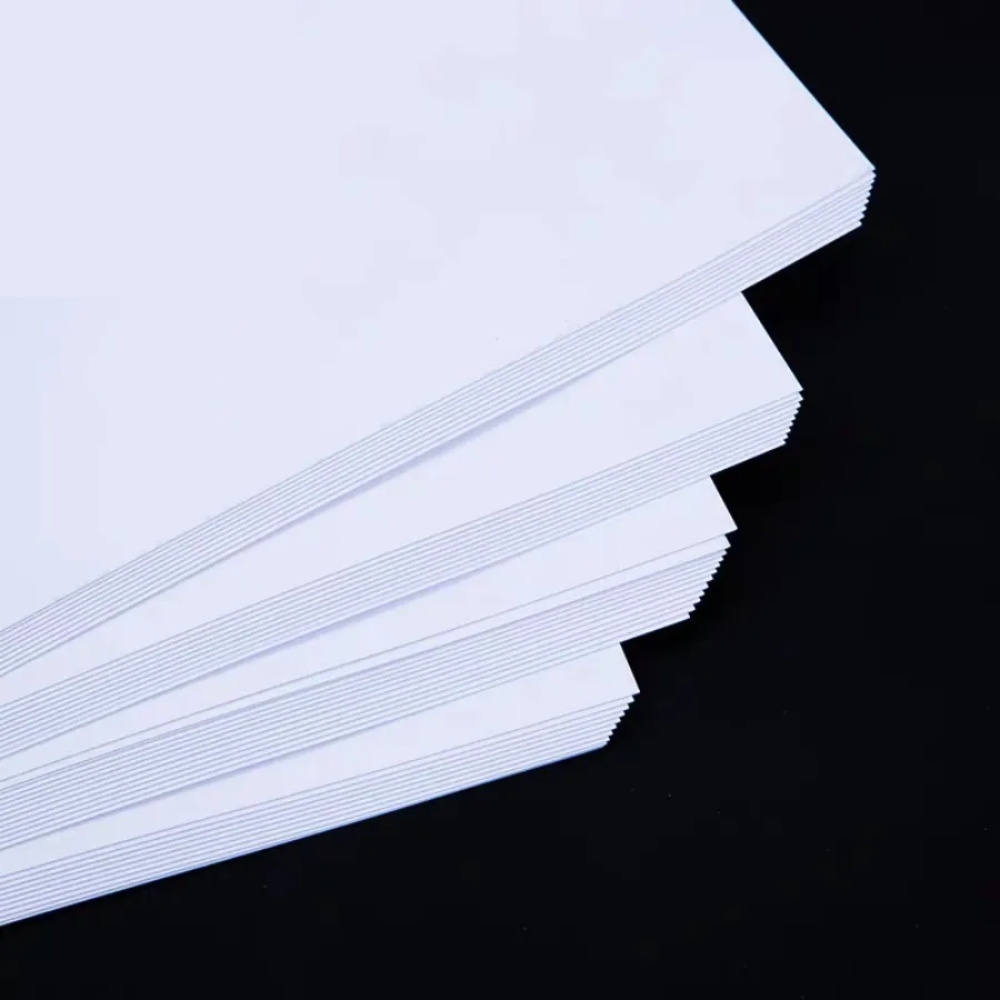
Heavyweight 300gsm artcard is incredibly stiff. It is rigid, premium, and absolutely refuses to bend. When your printer tries to force a stiff piece of cardboard through a tight curve, the internal rollers slip. The motor groans in protest. Even if the paper somehow makes it through, it usually comes out permanently bent or with black roller marks scratched across the front.
Unless you own a specialized, high-end professional photo printer with a flat, straight-through rear feed (which most home users do not have), forcing 300gsm artcard through a top-feed inkjet is a fast way to completely destroy your machine.
So, what do you do? You stop fighting your printer, and you switch your materials.
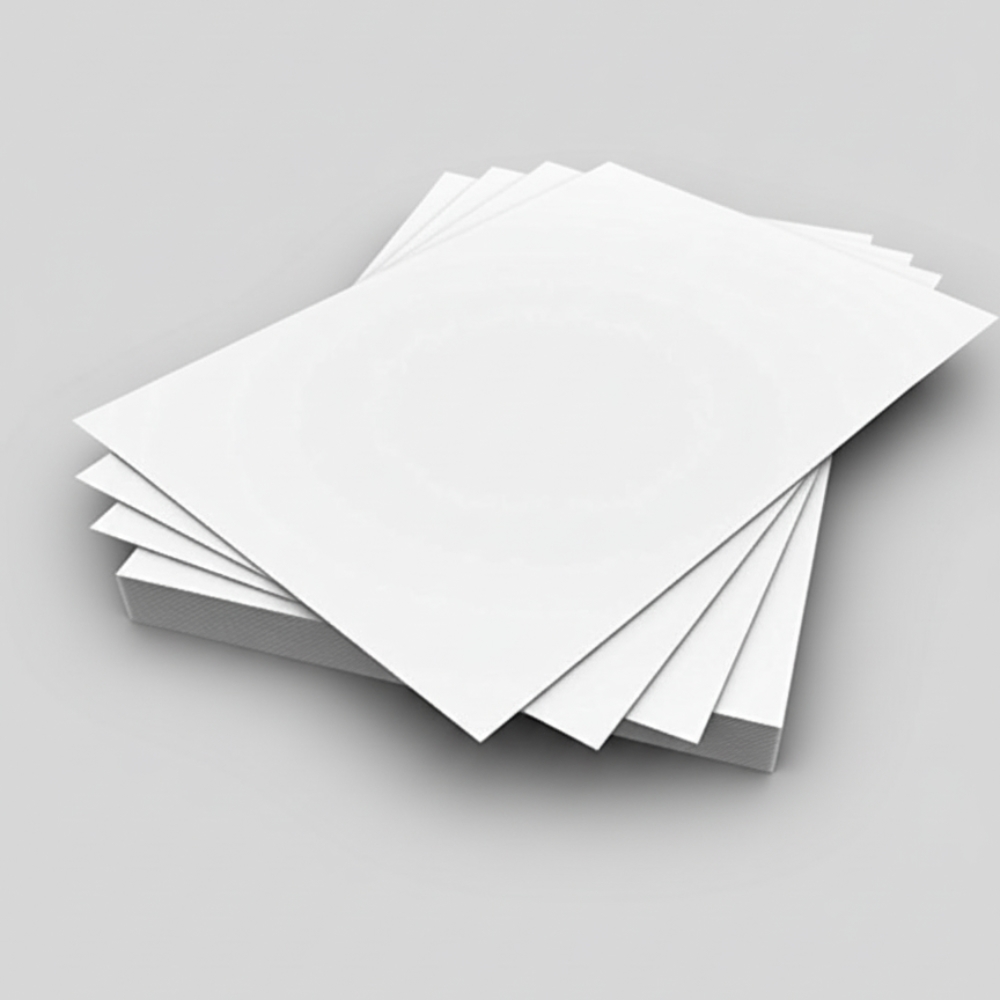
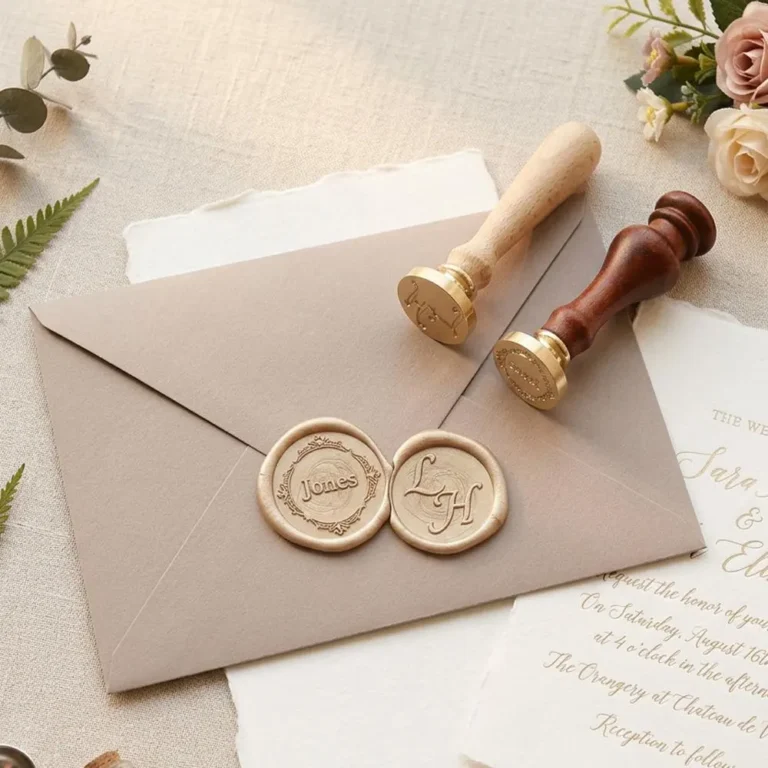
If you want that thick, premium, high-end feel for wedding invitations, greeting cards, or art prints, but you only have a standard inkjet printer, you need to switch to Ivory paper.
Ivory paper is the absolute holy grail for inkjet crafters. Unlike artcard, it is uncoated. The surface has a beautiful, natural, slightly matte texture that absorbs liquid ink perfectly. When your inkjet prints on Ivory paper, the colors sink deeply into the fibers, drying instantly and producing razor-sharp text without a single smudge.
It carries a sophisticated, slightly warm tone that makes custom stationery look incredibly expensive and bespoke. It bends just enough to pass safely through most home printers, but feels substantial enough in the hand to impress your clients or family members.
Tip: Ivory paper carries a natural elegance. It is the preferred choice for minimalist designs, botanical prints, and luxury event menus.
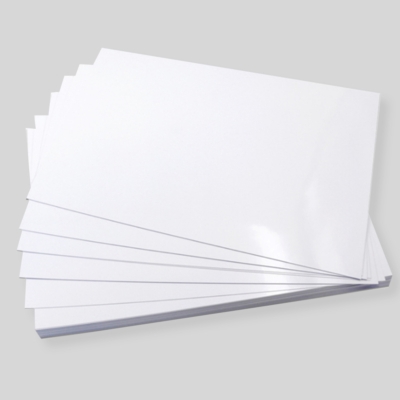
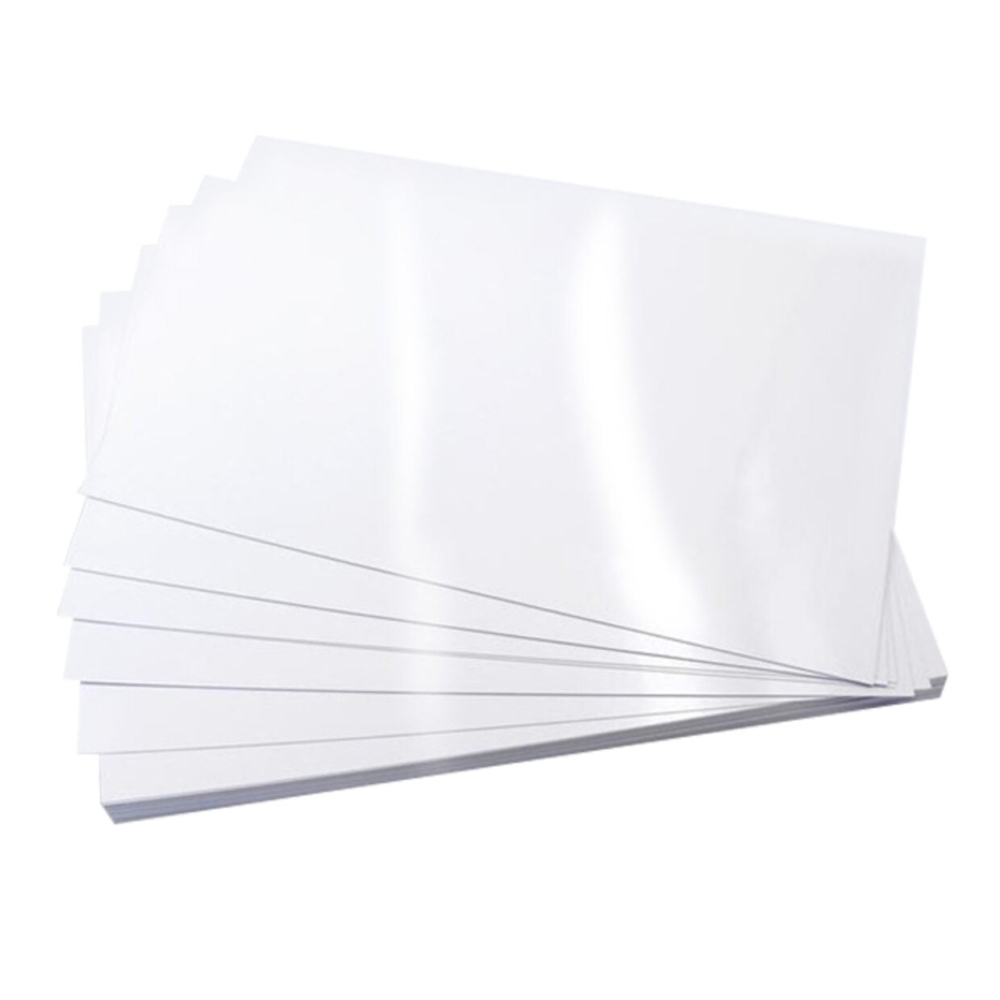
The Vibrant Fix: 240gsm Double-Sided Glossy Paper
Maybe you don’t want a matte finish. Maybe you are printing photographs, vibrant birthday cards, or highly saturated graphic designs, and you desperately want that sleek, coated feel that artcard provides.
This paper is a game-changer. It is specifically manufactured with an inkjet-receptive coating. Instead of repelling water-based dye, the micro-porous top layer of this paper is designed to grab the liquid ink the second it hits the page and lock it in place.
It gives you the vibrant, high-gloss, photo-quality finish you are craving, but it dries almost instantly. At 240gsm, it is thick enough to feel like a proper greeting card, but flexible enough to glide through the curved rollers of a top-feed home printer without jamming the motor.
Ivory Paper vs Artcard
If you’re shopping and feeling completely torn between these two premium options, you are not alone. To make things incredibly simple for your next project, here is the ultimate ivory paper vs artcard breakdown:
The Surface Texture
Artcard: Sleek, sealed, and commercially coated. It feels like a high-end business card or a glossy magazine cover.
Ivory Paper: Uncoated, natural, and slightly matte. It has a microscopic texture that feels warm, organic, and highly bespoke.
Printer Compatibility
Artcard: Requires a laser printer or a commercial offset press. It relies on dry toner and heat to melt the design onto the page.
Ivory Paper: The absolute best friend of the home inkjet. Its porous fibers drink up liquid dye instantly, leaving crisp, smudge-free lines.
The Aesthetic Vibe
Artcard: Perfect for modern, high-contrast, commercial designs. Think bold graphic posters, sleek product packaging, or crisp photography.
Ivory Paper: Perfect for elegant, minimalist, and luxury designs. Think fine-art wedding invitations, botanical prints, and premium greeting cards.
The Verdict
If you are running a standard home inkjet printer, Ivory paper is your safe, beautiful harbor. Leave the coated artcard to the heavy-duty laser machines.
When to Upgrade to a Laser Printer
Sometimes, the most creative thing you can do is admit when you have outgrown your tools.
If you absolutely insist on using 300gsm commercial artcard, maybe because you love the specific weight, or you are scaling your small business and buying paper in massive bulk, you have to ditch the inkjet entirely. It is time to invest in a laser printer.
Laser printers do not use liquid ink. They use dry toner powder and intense heat. When a laser printer processes a sheet of coated artcard, it doesn’t try to soak the paper. Instead, the machine literally melts the plastic toner powder directly onto the surface coating.
There is no absorption required. There is no wet smudging. The card comes out of the machine warm to the touch, with crisp, slightly raised graphics, immediately ready to be scored, folded, and handed to a customer. If you are serious about your craft and want to produce River Road-level commercial prints from your home office, a laser printer is your ultimate answer.
Frequently Asked Questions About Home Printing
Can I use hairspray or a clear sealer to stop inkjet ink from smearing on artcard?
Some DIY blogs suggest spraying your wet prints with a clear acrylic sealer to lock the ink in place. Do not do this. It is messy, it changes the texture of the paper, it smells terrible, and it rarely works evenly. Switch to a paper designed for your printer instead.
Why does my inkjet print perfectly on normal paper but not on heavy card?
It all comes down to porosity. Normal copy paper is basically a sponge. It absorbs everything. Heavy commercial cardstock is sealed. Your machine is working perfectly fine; you are just feeding it an incompatible material.
What is the maximum paper weight a standard home inkjet can handle?
Most standard top-feed inkjets max out comfortably around 200gsm to 250gsm. Pushing them to 300gsm puts immense strain on the feed rollers. If you hear loud clicking or grinding, your paper is too heavy.
Why does my inkjet print look perfectly fine on normal paper but dull on artcard?
Normal copy paper absorbs dye ink deeply into its fibers, keeping the image crisp. Coated artcard repels water-based dye, causing the tiny dots of ink to spread, mix, and muddy together on the surface before they dry. It is a chemical reaction, not a broken printer.
What is the best paper for home inkjet crafting?
If you want to avoid the headache entirely, buy inkjet-specific coated paper. This paper has a specialized micro-porous top layer designed to grab liquid ink instantly and lock it in place. It is more expensive than standard commercial artcard, but it eliminates the smudging and drying time completely. Alternatively you can use ivory paper or double sided glossy paper.
Creating your own stationery should feel deeply satisfying. It should feel like magic watching your digital design turn into a physical object. It should not feel like a late-night wrestling match with your office equipment.
The most common mistake DIY creators make is assuming all cardstock paper is created equal. We fall in love with the feel of a specific board, force it into a machine that was never designed to handle it, and then blame the paper when the design comes out looking terrible.
Your design is not the problem. Your skills are not the problem. You just had a mismatch of materials.
Great art requires a fundamental understanding of your canvas. Once you stop trying to force commercial artcard through an ink-based home printer, your entire crafting experience changes.
At Garo Gift Shop, we understand that the foundation of any beautiful project is the paper itself. We supply the exact materials you need to succeed. Whether you need elegant Ivory paper for your home inkjet, vibrant 240gsm glossy paper for your photo prints, or heavy-duty artcard for your commercial laser machine, we have the premium stock to make your work shine.
Save yourself the stress. Stop wiping wet ink off your fingers. Choose the paper that works with your machine, and get back to creating beautiful things.