
History & Meaning of Success Cards in Kenya

It’s a chilly morning at a Kenyan school, dew still fresh on the grass, the air buzzing with nerves and anticipation. A teacher steps into the classroom, cradling a bundle of envelopes, thin, colourful, slightly bent from the journey. As they call out a name, the chatter fades. A hush falls. Heads turn. The student, wide-eyed, walks to the front.
It’s just a piece of card, but in that moment, it feels like magic. A breath of encouragement. A reminder that someone, somewhere, believes in them. Maybe it came from mum, or a cousin in Qatar, or a classmate’s cheeky crush. It doesn’t matter. What matters is the message: “You’ve got this.”
That moment is at the heart of Kenya’s exam season tradition. For decades, ever since post-independence, success cards have been a powerful symbol of community, hope, and belief in a child’s future. As exams like KPSEA, KCPE, KCSE, and university finals approach, those simple notes pack encouragement that lasts far beyond exam halls.
At Garo Gift Shop, we honor this deeply Kenyan tradition. Let’s journey into how it started, what it means, and why it still matters today.
Table of Contents
Where It All Began: A Bit of History of Success Cards in Kenya
Before social media DMs and WhatsApp good luck texts, there was the success card. In Kenya, exams like KCPE, KCSE, and university finals carry weight and can shape a student’s life. Not just academic pressure, but the dreams of entire families.
That pressure birthed something uniquely ours: a culture of encouragement through physical cards. Not fancy. Not expensive. But deeply heartfelt.
Come September and October, the streets of Nairobi, Kisumu, Eldoret, and every town in between transformed. On Tom Mboya Street or outside supermarkets, street vendors would line their tables with colorful success cards, some musical, others scented, all crafted to uplift a weary candidate’s spirit.
In those days, schools would pause mid-assembly or after morning devotions to hand out cards. The teacher would call a name, and a burst of cheer would erupt as the student received their envelope. Inside? Maybe a glittery card, maybe a handwritten poem on perfumed paper. I still have some of mine, from both primary and high school, tucked away in an old box. They’re yellowed now, but the words still comfort.
These cards often featured motifs that spoke volumes: a cheetah leaping across a savanna (for speed and strength), flowers blooming (for growth), or doves in flight (for peace of mind). Sometimes, the card came with a coin or note taped inside. Other times, a light fragrance hinted at the sender’s care.
What started as a simple gesture became a national language of love during exam season. It didn’t matter if you were in an urban private school or a rural day school, everyone waited for their name to be called. And when it was, that moment stayed with you for years.
What Success Cards Mean to Kenyans
Emotional Boost for Students
Success cards are far more than paper, they are morale lifters. It was common for schools to tally the cards each student received, sparking excitement and a sense of recognition
A Cultural Gesture of Support
Rooted in Kenya’s deep Harambee ethos, the spirit of pulling together, these cards embody communal solidarity and reassurance.
A Changing Tradition
While handmade or simple printed cards once reigned, modern times have seen shifts. Today’s gifting culture sometimes includes extravagant additions, money bouquets, electronics, or lavish surprises. Though meant to uplift, some worry this trend overshadows the intention behind the sentiment
How Designs Evolved
Early cards were simple: a vase of flowers, poetic words. Over time, designs got bolder, pop stars, football heroes, and even cards that buzzed or lit up when opened.
But tradition also recognized downsides: comparisons and hurt feelings when some students didn’t receive cards. To avoid this, some schools started giving cards only after exams concluded, keeping the spirit positive and inclusive.
Handmade vs Store-Bought, Finding What Speaks
A debate Kenyans feel deeply about:
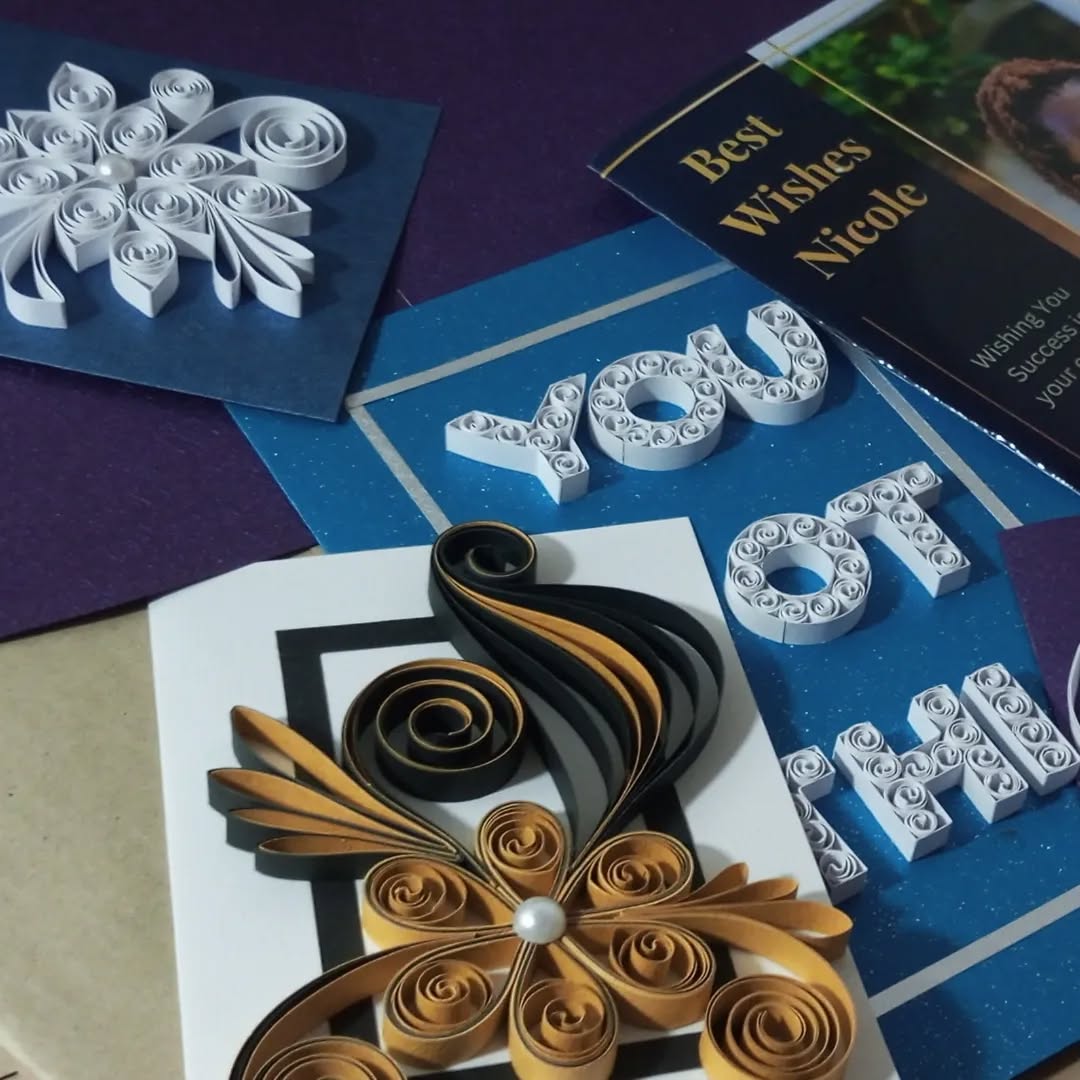
- Handmade cards are deeply personal, one-of-a-kind expressions of affection, perfect for close family or friends.
- Store-bought cards offer quality design and timely reassurance, especially when time is tight
- Personalized store-bought cards marry convenience and meaning; adding a name, photo, or unique message makes all the difference.
Many of us still remember the handmade cards, crafted with care, personalized, unique enough to feel like a hug. Others turned to well-designed printed cards for quality and variety. Now, Garo Gifts brings them together: handcrafted warmth with polished design, from heartfelt messages to keepsake touches.
Handmade vs Store-Bought Success Cards in Kenya in 2025


FAQ: Things You May Wonder About
Q1. Are success cards still common?
Yes. While digital encouragement has increased, many families still buy or order physical cards, especially for exams like KCPE, KCSE, and university finals.
Q2. Where do success cards come from today?
They’re available in bookshops, supermarkets, online, and craft stores across towns. Many online shops deliver nationwide, keeping the tradition alive no matter where you are
Q3. What if not every student receives a card?
To keep things fair, some schools now distribute cards to entire classes, or only after exams, to protect self-esteem.
Q4. Do schools accept them?
Mostly yes. However, some schools may hold cards until the final exam ends, especially if there were concerns about suspicious content inside them.
Q5. What’s a memorable design?
Handmade, minimalist sleek, pop-up, or personalized succes cards with names, photos and unique messages have become popular modern touches.
Why This Tradition Endures
Despite digital messages and selfies, success cards still spark joy. They are tangible, thoughtful, and a physical reminder that someone believes in you, especially when exams feel overwhelming.
Even with today’s fast communication, studies show few things rival the emotional lift of a handwritten message. A success card connects across generations and remains a cherished keepsake.
At Garo Gift Shop, we believe success cards should remain a gesture of warmth, hope, and authenticity. That’s why our designs, whether classic or modern, include:
- Heartfelt personalized messages
- Thoughtful concluding touches like photos, small keepsakes, or money envelopes
- Choices that stay meaningful, not ostentatious
By celebrating both the history and the emotion of success cards, Garo Gifts helps Kenyans continue a tradition that truly matters.
Final Thoughts
Success cards aren’t just an exam accessory. They’re tradition, hope, and love, folded into a small envelope. Kenya’s tradition of encouraging students lives on, and at Garo Gifts, we treat every card like a whisper of belief.
Whether your card is handmade or printed, what matters is the heart behind the words. Let’s keep this beautiful tradition alive.
Learn more: 100 Heartfelt Success Card Messages for KCSE Students in Kenya


